
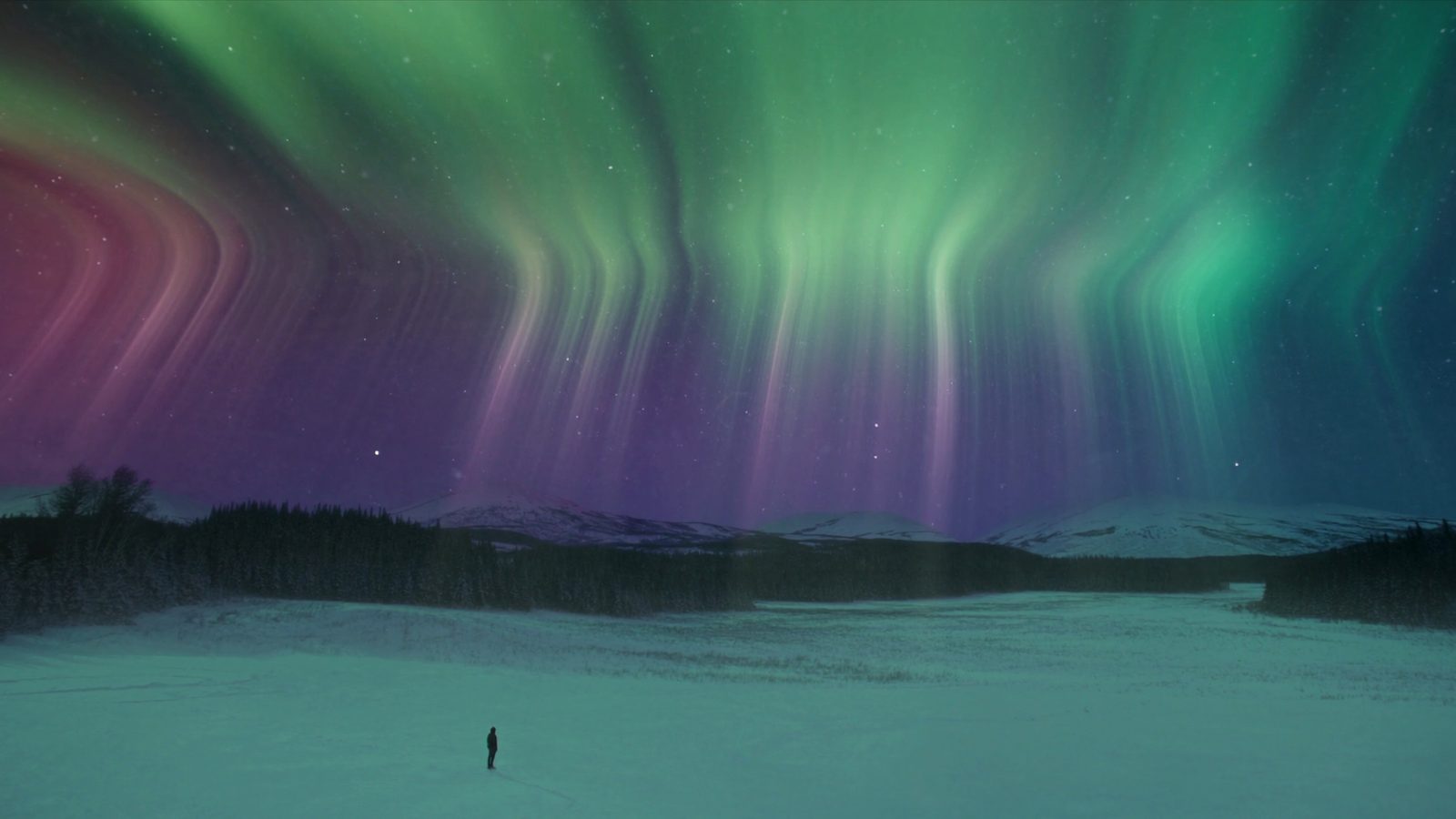
Chasing the aurora, with the odds stacked properly
Arctic Norway, Swedish Lapland and Iceland — trips planned around latitude, moon phase and clear skies, with days that stand up on their own.
The sky is the one thing nobody controls
Everything else is a choice: how far north you go, how many nights you allow, whether you have a guide willing to drive to the clear patch. Those choices are the difference between a trip that works and one that comes down to luck, and they are where we put the effort.
Why plan an aurora trip with us
You cannot book the northern lights. You can book better odds.
Planned around dark skies
Latitude, light pollution and moon phase all change your odds, and none of them are visible when you are comparing hotels. We plan the trip around the sky first and the accommodation second.
Enough nights to be worth it
One clear night is luck. Three or more turns it into a reasonable expectation. We would rather talk you into an extra night than sell you a trip likely to disappoint.
Honest about the odds
Nobody can guarantee the aurora, and we will not pretend otherwise. What we can do is stack the conditions in your favour and make sure the days stand up on their own.
What to expect from an aurora trip
September to late March
The season runs roughly from the autumn equinox to the spring one, when nights are long enough. Late September to early October and February to March often combine decent darkness with less severe cold.
Guided hunts, not hotel windows
The single biggest improvement to your chances is a guide who moves you to wherever the sky is clearest that night. Waiting at the hotel is a much weaker plan.
A trip that works either way
Every itinerary we build has enough in the daylight hours — dog sledding, snowshoeing, thermal baths, coastline — that the trip is worthwhile even in a cloudy week.
Where to go
Where the odds are best
Tromsø
Inside the aurora zone, with a real city attached.
The Lofoten Islands
Aurora over sea, peaks and fishing villages.
Abisko
A rain shadow that produces unusually clear skies.
Aurora trips with a price
Northern lights trips already priced by our partners, with the date each price was checked.


Types of retreats
Guided Aurora Hunts
Small-group or private guiding that moves each night to wherever the forecast is clearest, rather than hoping from a fixed spot.
ExploreGlass Cabins & Sky Lodges
Accommodation built for watching — glass roofs, wake-up calls and somewhere warm to wait.
ExplorePhotography-Led Trips
Planned around composition and moon phase, with guides who know the foregrounds and can help with settings.
ExploreAurora & Arctic Adventure
Dog sledding, snowshoeing and fjord days filling the daylight, with the sky watched every night.
ExploreOther retreat types
Not quite what you had in mind? Explore the rest of the Cherished Retreats collection.
What to consider
What is the best month to see the northern lights?
Anywhere from late September to late March works. February and March tend to pair long dark nights with slightly kinder temperatures and more settled weather, while December and January give the longest darkness but the harshest cold.
How many nights should we stay?
At least three, and preferably four or five. Aurora needs both solar activity and a clear sky on the same night, and adding nights is by far the most effective way to improve your chances.
Can you guarantee we will see them?
No — and we would be wary of anyone who does. It is a natural phenomenon dependent on conditions nobody controls. What we can do is choose the latitude, the season, the moon phase and a guide who chases clear sky, then build a trip that is worth taking even if the sky never opens.
Where are the odds best?
Abisko in Swedish Lapland has an unusual rain shadow that keeps its skies clearer than most, and Tromsø sits well inside the auroral oval with far easier access. Both are strong; which suits depends on how far you want to travel and what you want to do in the daytime.
Want a realistic shot at the aurora?
Tell us when you can travel and how many nights you have, and we will tell you honestly where to go and what to expect.
Enquire About Northern Lights